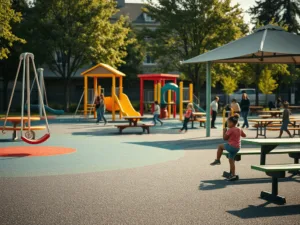

Introduction: Why More People Are Switching to Synthetic Grass (and What It Really Costs)
If you’ve ever found yourself frustrated with mowing, watering, or endlessly reseeding your lawn, you’re not alone. More homeowners, schools, and even commercial developers are making the switch to artificial grass—and not just for convenience. A well-installed synthetic lawn offers low maintenance, year-round greenery, and can even save thousands of dollars over time.
But let’s be honest: what most people want to know is the bottom line—what’s the real synthetic grass installation price in 2025? Is it worth the investment compared to natural grass? And what should you expect in terms of upfront installation cost, long-term maintenance, and return on investment?
That’s exactly what we’ll break down in this guide. Whether you’re planning to install artificial turf in a backyard, school playground, pet area, or commercial space, understanding how much you’ll pay per square foot, and what factors impact that cost, is key to making an informed decision.
We’ll cover national averages, key pricing variables, project types, and even tips for budgeting and saving money—plus a few mistakes to avoid when choosing a turf installer.
Ready to see how much your artificial grass project will cost? Request a free quote today or give us a call to speak with a local expert.
What Is the Average Synthetic Grass Installation Price in 2025?
Let’s get straight to the numbers.
In 2025, the average cost to install artificial grass ranges from $8 to $14 per square foot, depending on materials, site conditions, and labor. For a typical 1,000-square-foot lawn, that puts your project between $8,000 and $14,000.
Here’s a quick breakdown of where your money goes:
- Materials (artificial turf, infill, edging): ~50–60%
- Labor/installation: ~30–40%
- Site prep and extras (removal of real grass, drainage, base): ~10–20%
Here’s a general cost calculator by project type:
| Project Type | Average Price per Sq Ft | Total Estimated Cost (1,000 sq ft) |
|---|---|---|
| Residential Lawn | $8 – $12 | $8,000 – $12,000 |
| Pet Turf Area | $10 – $13 | $10,000 – $13,000 |
| School Playground | $11 – $14 | $11,000 – $14,000 |
| Commercial Landscape | $9 – $13 | $9,000 – $13,000 |
While synthetic turf costs more upfront than natural grass, the long-term savings in water, fertilizer, and maintenance often balance things out within 3–5 years.
Pro Tip: Ask for a detailed quote with all line-item costs from your installer—this ensures you’re comparing apples to apples across companies.
Check out some of Synthetic Turf Options right here.
What Factors Affect the Cost to Install Synthetic Grass?

While square footage is the foundation, many variables influence your final artificial grass installation cost. Here’s what to look out for:
1. Type and Quality of Turf
Not all artificial grass is created equal. Higher-end synthetic grass typically mimics natural grass more closely in appearance and feel. It’s also more durable and UV-resistant. Expect to pay more for turf with:
- Dual-tone fibers for realism
- Anti-microbial backing (ideal for pets)
- Longer blade height and better drainage
2. Site Preparation
This includes:
- Removing natural grass or existing surfaces
- Grading and leveling
- Installing a compacted base layer
- Adding weed barriers and drainage
The more prep your site needs, the higher the installation cost.
3. Project Size and Access
Larger areas may qualify for bulk pricing, but tight spaces or hard-to-access locations often raise labor costs. If equipment can’t reach your lawn, more manual labor is required.
4. Labor and Installer Rates
Professional installation is a large portion of your final bill. Regional labor costs, the complexity of the layout, and the experience of your installer all factor in. DIY artificial grass installation may seem cheaper, but mistakes in base prep or seaming can shorten your turf’s lifespan.
5. Extras and Add-ons
Things like:
- Pet deodorizer or antimicrobial infill
- Turf padding (for playgrounds or sports)
- Edging materials (bender board, concrete curbing)
- Drainage solutions
All of these can add a few dollars per square foot, but may be worth it for performance and longevity.
Need help understanding which features your site needs? Get in touch for a free consultation—we’ll break it down step by step.
Synthetic Grass Pricing by Application Type
One of the biggest variables in pricing is what type of space you’re installing turf on. From a small backyard to a full-sized sports field, each application has unique needs, materials, and labor intensity.
1. Residential Lawns
For homeowners looking to upgrade their lawn, the artificial grass installation cost is usually the most straightforward. The space tends to be smaller, and access is often easier. A standard residential project might range from $8 to $12 per square foot, depending on turf quality and site prep.
Smaller yards may not benefit from bulk discounts, but they also don’t require heavy equipment or long timelines. If you want to install artificial grass in a backyard with curves, trees, or walkways, expect slightly more labor cost for cutting and fitting.
2. Pet Areas and Dog Runs
Pet-friendly artificial turf typically includes:
- Extra drainage layers
- Specialized infill for odor control
- Seam reinforcements for digging behavior
These features raise both the material and labor costs. Expect pricing around $10 to $13 per square foot. However, the benefits—mud-free paws, no brown spots, and easy cleanup—make it a favorite for dog owners.
3. Playgrounds and Schools
Turf used in schools or public playgrounds needs to meet safety and durability standards. These projects often include padding, high-performance turf rolls, and impact-rated infill. Labor may also include more extensive base prep.
Installation pricing typically falls between $11 to $14 per square foot, sometimes more depending on the number of obstacles (play structures, edging, drainage trenches).
4. Sports Fields and Commercial Installations
For larger fields or facilities like soccer pitches or athletic training centers, pricing often becomes more volume-based. However, sports-grade synthetic turf is higher-end and installation involves precise seaming and infill leveling.
Here, you’re usually looking at $9 to $13 per square foot. Add-ons like permanent lines, shock pads, and extra drainage raise the price.
In short: your application type determines not just turf selection, but also base work, accessories, and labor complexity.
Check out this article to learn about: Synthetic Turf Price Breakdown: What You’ll Really Pay in 2025
Comparing Artificial Grass to Natural Grass Costs
If you’re on the fence about switching, a key question is: Is artificial grass really cheaper than real grass in the long run?
Upfront Costs
The cost to install artificial grass is undeniably higher up front than laying sod or seeding natural grass. Installing sod might cost $1.50 to $2 per square foot, while artificial ranges from $8 to $14. But that’s just the beginning.
Maintenance and Long-Term Costs
Once installed, natural lawns require:
- Weekly mowing
- Fertilizer and weed control
- Seasonal reseeding
- Daily or weekly watering
- Lawn equipment or professional landscaping
Annual maintenance for a 1,000 sq ft lawn can easily exceed $1,200–$1,500 per year in water, fuel, labor, and supplies.
Artificial lawn maintenance? Occasional brushing, rinsing, and maybe light weed pulling at the edges.
If you run a cost calculator across 10 years, artificial turf often wins:
- Initial cost: $10,000
- Annual maintenance: ~$150
- Total over 10 years: ~$11,500
Compare that to real grass:
- Initial cost: $2,000
- Annual maintenance: ~$1,400
- Total over 10 years: ~$16,000
Even without factoring in your time or environmental costs, the average artificial grass project starts to break even in 3–5 years—and keeps saving you money after that.
Appearance and Use
Artificial lawns maintain a consistently green, manicured look. No bald patches. No seasonal browning. And no muddy shoes after rain.
While some purists still love the smell and feel of natural grass, modern synthetic grass products have closed the gap, offering lush textures, realistic coloring, and even anti-static fiber options.
To learn more, check out our Guide: Artificial Turf Landscaping: How to Design a Low-Maintenance, High-Impact Outdoor Space
How to Budget for Artificial Grass Installation Without Surprises

Planning ahead for your artificial grass project is crucial if you want to avoid cost creep. Here’s how to create a solid, realistic budget.
1. Know Your Total Square Footage
Use a measuring tape or an online mapping tool to calculate your lawn area. Round up slightly to accommodate cuts and trimming. Multiply this by your per square foot estimate to get a base figure.
2. Use a Grass Installation Cost Calculator
A cost calculator can help you visualize how different materials and labor affect your price. Include:
- Turf cost
- Base materials (crushed rock, sand)
- Infill type
- Edging
- Labor
Many suppliers offer online calculators—just make sure to include everything, not just turf price.
3. Get Multiple Quotes from Installers
It’s smart to request at least 2–3 quotes from local professionals. Make sure they include:
- Material specs (brand, blade height, drainage rating)
- Full breakdown of prep, materials, labor
- Warranty details
- Clean-up and removal fees
Don’t fall for too-good-to-be-true pricing—often, low quotes skip vital steps like base compaction or proper drainage.
4. Add a 10–15% Contingency Buffer
Unexpected issues like underground pipes, poor soil quality, or permit delays can bump up your costs. Build a cushion into your budget to avoid headaches later.
5. Consider Financing or Phased Installation
Some homeowners choose to install artificial turf in stages—starting with the front yard or pet zone and expanding later. Others use financing plans from turf companies to spread costs over time.
Saving Money on Your Synthetic Turf Project Without Sacrificing Quality
Installing artificial grass doesn’t have to drain your wallet. Whether you’re working with a tight budget or simply want to maximize your return on investment, there are smart ways to reduce the cost of artificial grass installation without cutting corners.
1. Choose Mid-Grade Turf
High-end turf with extra-soft blades and anti-microbial backings may look amazing, but mid-grade synthetic grass can still deliver excellent durability and realism—especially for residential lawns. Stick to a reputable brand, but ask your installer if they offer value lines or discounts on bulk orders.
2. Schedule in the Off-Season
Demand for artificial turf typically spikes in late spring and summer. Consider scheduling your installation in the fall or winter months when installers are more likely to offer discounts and have greater availability.
3. Handle Site Prep Yourself
If you’re physically able, you can reduce labor costs by taking care of the groundwork. Removing real grass, laying weed barrier fabric, or compacting crushed stone can shave off hundreds (sometimes thousands) in installation cost. This approach blends the cost-savings of DIY artificial grass installation with the quality of pro installation for the turf layer.
4. Use Turf Remnants or Overstock Rolls
Some companies sell overstock or cut rolls of artificial lawn from previous jobs at a steep discount. These are great for small areas like dog runs, side yards, or patios.
5. Skip the Extras (If You Can)
In areas with good drainage, you might skip the more advanced underlay or shock pad. While these are non-negotiable for playgrounds or athletic fields, a basic residential yard might not need them.
Looking for affordable options without losing quality? Request a custom quote today and we’ll help you build the perfect turf solution for your space and budget.
Should You DIY or Hire a Professional Turf Installer?
If you’re trying to keep costs low, you might be tempted to install artificial turf yourself. DIY installation can be a great option—if you know what you’re doing. Here’s a breakdown to help you decide.
DIY Artificial Grass Installation: Pros & Cons
Pros:
- Major savings on the cost of labor
- Control over pace and schedule
- Satisfying if you enjoy hands-on work
Cons:
- Physically demanding and time-consuming
- Easy to make costly mistakes (uneven base, bad seams, poor drainage)
- No warranty or professional support
Most homeowners underestimate just how hard it is to create a flat, compacted base—especially in yards with slopes, rocks, or poor soil. A small error in grading or base prep can lead to puddling or turf shifting over time.
When to Hire a Pro Installer
- You’re installing over 300–500 sq ft
- The project has curves, slopes, or structures
- You want long-term warranty protection
- You need the job done quickly and cleanly
Professional installers bring years of experience, specialized equipment, and access to better pricing on materials. While pro installation adds to your upfront cost, it often delivers a cleaner, longer-lasting result—especially if you’re new to landscaping projects.
Middle Ground: Hybrid Approach
If you’re budget-conscious but want professional results, consider a hybrid model: you handle the DIY cost of prep work and let the pros handle turf laying and seaming.
See our Blog to understand more about: Artificial Turf Cost Installed: What You Need to Know Before You Buy
Key Takeaways: Understanding the Real Cost of Artificial Grass Installation

Choosing to switch to artificial grass is a smart investment—but only if you know what you’re getting into. Let’s recap the essentials so you can make an informed decision:
- The average artificial grass installation price in 2025 ranges from $8 to $14 per square foot, depending on turf type, site prep, and project size.
- Application matters: Pet areas, playgrounds, and sports fields often cost more due to specialized materials and labor.
- Over time, artificial grass becomes more cost-effective than natural grass, saving you money on watering, mowing, and lawn maintenance.
- You can lower costs by tackling some site prep yourself, shopping during slower seasons, or using leftover turf rolls.
- While DIY artificial grass installation is possible, most large or complex projects benefit from hiring a professional installer.
- A well-planned budget, backed by a detailed quote and a trusted installer, will ensure your turf looks great and lasts for years.
Final CTA:
Want to know your exact cost to install artificial turf? Click here to get a free quote or call our team today. We’ll help you plan, budget, and install with confidence.
Frequently Asked Questions: Artificial Grass Installation Costs
1. How much does artificial grass cost on average?
The average artificial grass installation cost in 2025 ranges from $8 to $12 per square foot, but can climb to $20 per sq ft for high-end commercial applications. The typical cost depends on materials, base prep, and labor. You can expect around $12 per square foot for residential projects using mid-grade turf products.
2. What’s the total cost to install artificial grass for a standard yard?
For a 500 square feet grass yard, the total cost typically runs between $4,000 and $6,000. A good cost calculator can help you estimate your specific artificial grass project, including labor and materials.
3. How much does it cost to install artificial turf vs. real grass?
While real grass may only cost around $1.84 per square foot, it requires ongoing maintenance. The cost of installing artificial grass is higher upfront but significantly lower long-term. The overall cost of maintaining a natural lawn often exceeds that of synthetic lawn over 5–10 years.
4. What are the main cost factors in turf installation?
Major cost factors include:
- Turf ranges (budget to high-quality turf)
- Cost of labor
- Base prep and grass removal
- Edging and drainage systems
- Type of artificial turf and infill
- Project size in square footage
5. Can I use a calculator to estimate the cost of my artificial lawn?
Yes! A quality artificial grass cost calculator takes into account the price per square foot, cost of artificial grass, and labor costs. Recreational Industries offers accurate estimates for artificial grass installations.
6. Is it cheaper to DIY or go with professional installation?
DIY artificial grass installation can save on cost of labor, but may increase the risk of mistakes. Professional installation ensures proper compaction, drainage, and longevity. If you’re on a budget, you can prep your existing lawn and hire pros just for turf laying.
7. What’s the price difference by turf type?
Nylon turf and high-quality artificial grass typically cost more than polyethylene or polypropylene options. The price of artificial grass will depend on turf brands, pile height, drainage capacity, and how much it mimics the look and feel of real grass.
8. What’s required to install artificial grass properly?
You’ll need:
- A compacted base layer
- Anchoring points for artificial turf
- Weed barrier (especially if you have weeds and natural grass underneath)
- Drainage prep
- Seam tape and nails
Don’t forget about turf placement and cost of landscape edging, which affects the final result.
9. What’s the difference between DIY and pro installation costs?
DIY cost may run $4–$7 per square foot, mainly for materials. Add your own time and tools. Pro installation starts at around $8 per sq, offering warranties and long-term durability. In the context of home improvement, hiring experts often pays off.
10. Can artificial grass really look like real grass?
Yes. Many synthetic grass products are designed to look and feel just like real grass. Artificial grass also stays green year-round and is cleaner for kids and pets.
11. Is switching from real grass to synthetic grass worth it?
Making the switch to artificial turf eliminates watering, mowing, and fertilizing. The switch to artificial grass can save thousands in maintenance costs and increase property value—especially in dry climates.
12. How is artificial grass priced—by square foot or linear foot?
Most artificial grass lawn pricing is by price per square foot, not per linear foot, though some edging materials may be sold by the latter.
13. What is the cost to install artificial turf in a commercial space?
For larger projects or specialty spaces like playgrounds or sports fields, the cost to install artificial turf can reach $20 per square foot depending on features and scale. For accurate budgeting, Recreational Industries offers quotes tailored to your project.